Why choose winter tyres?
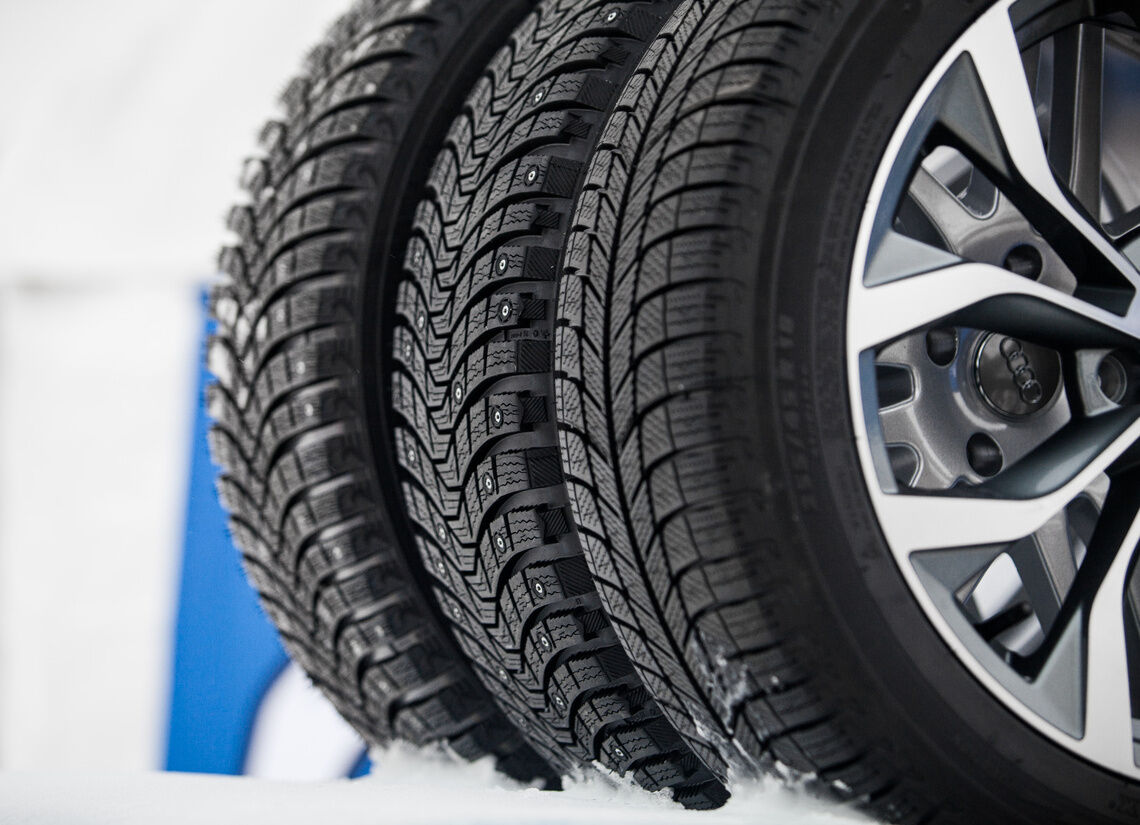
Winter tyres, or snow tyres as they are sometimes called, are designed for the winter season thanks to their wide and deep grooves. This unique tread and rubber adapt to low temperatures and offer excellent road holding in cold weather, allowing you to drive with confidence no matter what the weather.
When can I use my winter tyres?
We recommend using your winter tyres (also commonly known as snow tyres) when the temperature begins to fall below 7°C.
Why?
When driving in winter conditions below 7°C, the braking distance of a winter tyre is generally shorter than that of a summer tyre on any type of ground (dry, wet, snowy, black ice) and the winter tyre offers better grip.
Do winter tyres wear faster than summer tyres?
Contrary to popular belief, for the majority of brands, winter tyres used in winter conditions do not wear out faster than summer tyres used during the summer months. Thanks to advanced technologies, Michelin’s high performance winter tyres are guaranteed to last almost as long as their summer tyres.
Is it illegal to drive with winter tyres in summer?
In the United Kingdom, there is no law to say that you cannot drive with winter tyres during the summer months.
Likewise, there is no legislation making winter tyres mandatory when the season comes.
It is up to the driver to use tyres appropriate for the season, prioritising safety and comfort on the road.
3 reasons why it is not advisable to keep your winter tyres in summer
1 - For better security
Summer tyres have a high level of safety on dry and wet roads when temperatures are above 7°C.
However, in temperatures below 7°C, certified winter tyres (marked with M+S and/or 3PMSF) are more effective than summer tyres in winter conditions. Summer tyres generally last longer in summer conditions than winter tyres.
Tests carried out by TÜV SÜD in 2013 with 205/55 16 H tyres.
2 - To save more fuel
The rolling resistance of a winter tyre is greater than that of a summer tyre of the same size.
By driving with winter tyres in summer, you will therefore consume more fuel and register greater CO2 emissions.
3 - For comfort
Switching your winter tyres for models suited to summer conditions and higher temperatures is a choice which is also good for driver comfort.
Summer tyres guarantee better road holding in temperatures in excess of 30°C, allowing you drive comfortably and safely.
What’s the best way to protect my winter tyres during summer?
In temperatures higher than 7°C, you should switch your winter tyres with summer tyres.
sss
Before storing away your winter tyres for the summer, be sure to check their condition.
Cracked tyres lose their effectiveness, even if the wear limit has not been reached. Also remember to check the alignment of the tyres regularly.
You can find a professional service near you with our Dealer Locator
The advantage of the all-season tyre
The MICHELIN CrossClimate range is a certified 3PMSF all season tyre which provides an innovative solution to summer and winter tyres.
With the MICHELIN CrossClimate range you can drive safely both in summer and in winter, all without having to think about changing your tyres when the weather changes. These tyres are therefore the best option for drivers who live in temperate areas where the weather remains mild for the most of the year with the occasional cold snap.
Winter tyres FAQs
Find answers to the most frequently asked questions about winter tyres and discover the information you need to choose the right tyre for your driving needs.
Everything you need to know about winter tyres
Yes. Keeping winter tyres on all year round is legal in the UK, but MICHELIN recommends changing them when temperatures stay above 7°C. Indeed, summer tyres are designed for warmer conditions, while winter tyres are designed to perform at their best when temperatures fall below 7°C. Using winter tyres in summer increases rolling resistance, which can raise energy use and CO2 emissions.
The 7°C rule means you should use winter tyres when temperatures regularly fall below 7°C. Below this threshold, winter tyres generally offer shorter braking distances and better overall performance than summer tyres in dry, wet, snowy or icy conditions. Above 7°C, MICHELIN recommends tyres suited to summer conditions.
Summer tyres provide better safety, lower fuel consumption, and enhanced comfort in warm conditions above 7°C.
Running winter tyres during hot summer months reduces their overall performance. In warm conditions above 7°C, summer tyres provide better safety, lower fuel consumption, and enhanced comfort.
Fuel consumption may increase when winter tyres are left on during summer because their design, the softer compounds used, the tread pattern (sipes, etc.) are different than the equivalent summer tyres in warm conditions. The exact increase depends on your vehicle, tyre size, load, speed, tyre pressure, tyre maintenance, and driving conditions.
Winter tyres can generate more road noise than summer tyres because their more sculpted tread pattern and softer rubber compound are designed for winter conditions. They are optimised for grip on cold, wet, snowy or icy roads rather than warm summer roads.
Dedicated winter tyres are worth considering in the UK if you regularly drive below 7°C or face snow, ice or cold wet roads. In milder areas, MICHELIN CrossClimate all-season tyres offer a practical solution for temperate weather with occasional cold snaps. Choose based on your routes and seasonal temperatures.
All-season tyres like the MICHELIN CrossClimate range offer a balanced performance in both summer and winter conditions, eliminating the need for seasonal tyre changes. For severe winter use, dedicated winter tyres remain the specialist choice.
MICHELIN recommends fitting the same type, size and specification of tyre on the same axle to help maintain balanced handling and braking performance. Mixing winter and summer tyres on the same axle is therefore not recommended. MICHELIN recommends fitting 4 winter tyres to your car! In the UK, legal minimum tread depth and roadworthiness requirements apply regardless of tyre type or season.
No, driving on winter tyres in summer is not illegal in the UK. There is no UK law banning winter tyres in summer, and winter tyres are not mandatory in winter. MICHELIN still recommends choosing tyres suited to the season, especially when temperatures stay above 7°C.
There is no specific UK insurance rule preventing you from using winter tyres in summer. However, your vehicle should always be fitted with tyres that are legal, roadworthy, and appropriate for the conditions. If you are unsure, check your insurance policy or speak to your insurer for advice.
Store them in a cool, dry place away from direct sunlight and check for any damage or misalignment before storage. Before fitting them back on, always check the condition of your tyres.
No, winter tyres do not necessarily wear out faster than summer tyres, but their performance and efficiency are compromised in warm conditions.
Summary
While it's legal to use winter tyres in summer in the UK, it's not advisable due to performance concerns. Winter tyres are designed for cold conditions (below 7°), with a softer rubber that wears more quickly in warm temperatures. Switching to summer tyres or considering all-season alternatives like the MICHELIN CrossClimate can offer better performance and cost savings in the long run.
See other related articles
-

Winter tyre or snow tyre: what is it?
What is a winter tyre? Is it different from a snow tyre?
Find out what you need to know about winter tyres and when it is advisable for your vehicle to be fitted with them.View more -
How to choose Winter Tyres
Are you looking to buy tyres for winter weather but don’t know how to choose among all the many tyre offers out there? Whether you need winter tyres or all season tyres, Michelin is here to guide you in your decision!View more -

Can I keep my winter tyres on in the summertime?
It can be tempting to keep your winter tyres on all year round, but is this really a good idea? Read this article to find out more about the rules and regulations on winter tyres, the comfort they bring you on the road, their safety features and how they can save you money. Here is all you need to know about driving with winter tyres in summer and all year round.View more