Understanding 80/20 Motorcycle Tyres
The 80/20 designation describes how a tyre allocates its performance between different surfaces. It means 80% of the tyre’s design focuses on road performance, while 20% supports off-road grip through tread patterns that bite into gravel and dirt.
This ratio reflects typical riding patterns of adventure motorcyclists who spend most of their time on paved roads but regularly venture onto unpaved terrain. So, you can ride confidently, knowing your 80/20 tyres can safely handle regular paved roads and hard-packed dirt, gravel and forest roads.
Why 80/20 Tyres Are Ideal for Adventure Motorcycles
Comfort and stability on tarmac. These tyres deliver smooth, predictable handling on paved roads, absorbing irregularities whilst maintaining precise steering response. The tread pattern's road bias ensures ample rubber contacts the surface during cornering, providing the grip and confidence you need. Unlike aggressive off-road tyres that feel vague on tarmac, 80/20 designs handle like road tyres during your daily commute or long-distance touring.
Adequate grip for gravel and light off-road. When the tarmac ends, 80/20 tyres transition confidently to gravel roads, dirt tracks, and hard-packed trails. Strategic tread voids and angled blocks provide traction for braking, cornering, and acceleration.
Ideal for adventure and dual-sport bikes. For motorcycles that serve as commuters, tourers, and trail explorers, 80/20 tyres deliver balanced performance.
Key Features of 80/20 Motorcycle Tyres
There are several key features to consider when looking for the best tyres for on and off-road.
- Tread Pattern and Grip
The tread pattern balances road stability with off-road bite. Centre tread blocks remain close together, creating a continuous contact zone for stable tarmac handling. Toward the shoulders – areas that engage during cornering – blocks become more pronounced and spaced further apart for loose terrain.
- Durability and Compound Technology
Advanced rubber compounds enable 80/20 tyres to deliver longevity without sacrificing performance. Modern dual-compound constructions place harder, more durable rubber in the centre tread – where wear occurs fastest. Softer, grippier compounds are used on the shoulders for enhanced cornering traction.
- Performance in Wet and Dry Conditions
On wet tarmac, 80/20 tyres rely on groove patterns that channel water away from the contact patch, maintaining grip during heavy rain. The design ensures sufficient water evacuation whilst the rubber compound maintains flexibility and adhesion on cold, wet surfaces.
In dry conditions, these tyres deliver predictable performance. Off-road in wet conditions, the spaced tread blocks shed mud and maintain traction on slippery surfaces, though 80/20 tyres prioritise hard-packed dirt and gravel over deep mud or extreme conditions.
- Knobbly vs Semi-Knobbly Tyres
Knobbly tyres feature tall, widely spaced blocks that excel off-road but feel imprecise on tarmac and wear quickly on paved roads. Semi-knobbly designs – the foundation of 80/20 tyres – use moderate block height and closer spacing for versatility. This semi-knobbly approach creates the versatility adventure riders need, with a tread notching rate that provides enough open space for off-road traction without creating the instability and noise of aggressive knobbly patterns.
Choosing the Right 80/20 Tyres for Your Riding Needs
The MICHELIN Anakee Adventure 2 represents MICHELIN’s latest innovation in 80/20 tyre technology, engineered for riders who spend most of their time on tarmac but demand off-road capability. Its advanced tread pattern balances road comfort with trail confidence, while advanced compounds deliver durability and grip.
MICHELIN’s broader range of trail tyres (MICHELIN Road 6, MICHELIN Anakee Road, MICHELIN Anakee Adventure 2, MICHELIN Anakee Wild) offers solutions tailored to different bike types and riding styles. From lightweight dual-sport machines to fully loaded adventure tourers, these tyres incorporate decades of development in mixed-surface riding.
Explore MICHELIN’s trail tyres to discover additional options that might suit your priorities, whether extended tarmac comfort, enhanced off-road capability, or maximum versatility.
How to Choose the Right Tyre Size
Your motorcycle’s manufacturer specifies tyre dimensions in your owner’s manual. For example, 120/70 R19 indicates width, aspect ratio, construction, and rim size.
Matching manufacturer recommendations is essential for safety and performance.
Beyond size, consider your riding split. If you ride 80% on tarmac and 20% off-road, 80/20 tyres are ideal. More frequent off-road riders may need aggressive patterns, whilst those who rarely leave pavement could prioritise road-focused designs.
Maintenance Tips for 80/20 Tyres
Correct pressure. Check your owner's manual for recommended pressures, which vary for solo or loaded riding. Under-inflation causes excessive wear and poor handling, while over-inflation reduces grip and comfort.
Regular inspection. Examine tyres for cuts, punctures, embedded objects, unusual wear patterns, and structural damage. Check tread depth regularly and replace tyres before they reach the legal minimum.
Cleaning after off-road rides. Mud and debris lodged in tread grooves reduce effectiveness and can cause premature wear. After off-road adventures, rinse tyres thoroughly to remove accumulated material and prevent long-term damage.
Choose your adventure
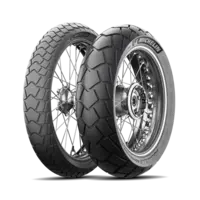
Michelin ANAKEE ADVENTURE 2
Turn everyday rides into new adventures.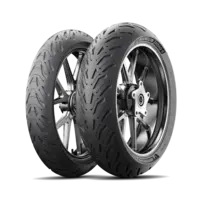
Michelin ROAD 6
The new must-have MICHELIN road tyre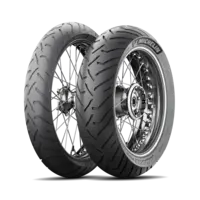
Michelin ANAKEE ROAD
On-road tyre specifically designed for trail motorcycles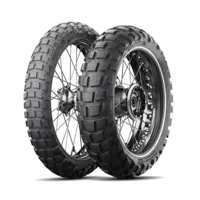
Michelin ANAKEE WILD
The most adventurous of our trail tyres


Everything you need to know about 80/20 tyres
Get answers to your questions!
FAQs about 80/20 tyres
The best tyres for mixed terrain feature semi-knobbly tread patterns with an 80/20 design. MICHELIN’s Anakee Adventure 2 exemplifies this balance, delivering road comfort and longevity alongside confident gravel and trail performance. Consider your actual riding split and choose designs that match your typical usage.
Aggressive knobbly tyres designed for serious off-road riding often perform poorly on tarmac. Their tall, widely spaced tread blocks create instability, excessive noise, and rapid wear on paved surfaces. If you spend significant time on roads, semi-knobbly 80/20 tyres deliver superior road performance whilst retaining adequate off-road capability.
Whilst you can ride road legal off-road tyres on tarmac, they aren’t as safe as tyres built for the road. Dedicated off-road tyres wear extremely quickly on paved surfaces and provide less grip on tarmac, particularly in wet conditions. For motorcycles used regularly on tarmac, 80/20 tyres offer a safer, more practical solution.
For riders prioritising road performance whilst maintaining some off-road capability, 80/20 tyres deliver optimal results. MICHELIN’s trail tyre range offers options across this spectrum, allowing you to select tyres that match your specific usage patterns.
Replace tyres when tread depth is low, they show signs of damage, or they’re too old. Read our guide. Check regularly for cracks or wear – most manufacturers recommend replacing tyres every six to ten years, even if they look fine.
Consider your typical riding conditions, check your motorcycle's tyre size specifications, and choose a tyre that matches your balance of road and off-road riding.
80/20 tyres offer a balanced performance for riders who primarily travel on paved roads but also enjoy occasional off-road adventures. They provide stability, comfort, and adequate grip on both surfaces.
Key features include a versatile tread pattern for on and off-road grip, durable rubber compounds for longevity, and performance in both wet and dry conditions.
Photos credits: (c)MICHELIN/Eric Malherbe -European Sport Communication