Bike tour packing list: essential items for your cycling holiday
With so many factors to consider, it’s easy to forget things – like clothing, camping gear, personal items, and important documents you might need for your trip.
Clothing essentials
Padded cycling shorts to prevent saddle soreness
Moisture-wicking jerseys that regulate body temperature
A lightweight, packable waterproof jacket for rain
Cycling gloves to protect your hands during long rides
Cycling shoes compatible with your pedal system
Comfortable casual clothing for off-bike activities
Camping gear
If you’re camping during your tour, choose lightweight equipment that’s both comfortable and easy to pack, such as:
A compact, free-standing tent that is easy to pitch
A temperature-appropriate sleeping bag (consider the climate of your route; even summer nights get chilly)
An inflatable sleeping pad for insulation and comfort
Minimal cooking equipment (a small stove, fuel, a small pot, utensils)
Collapsible water containers for hydration
A headlamp with spare batteries for nighttime visibility
Personal items
Toiletries
A small quick-dry towel
Suncream and lip protection
A first aid kit with cycling-specific items (blister treatment, anti-chafing products)
Prescription medications and basic pain relievers
Navigation tools, like a GPS device or smartphone with offline maps
A portable battery pack for electronics
Important documents
Keep these documents secure and accessible:
Photo identification
Emergency contact information (keep one physical copy and another stored in your phone’s ‘Emergency Contacts’)
Copies of your bike registration or proof of purchase
Bank cards and a small amount of the local currency in cash
Route information
Accommodation reservations
Health insurance card and travel insurance details, if applicable
Cycle touring kit list: tools and maintenance essentials
Once you know what clothes and personal items you’ll need, start thinking about the most important part of your kit: your cycling gear. This is an extensive list, so you might not need everything. What you pack depends on the length of your trip and the type of route you'll be taking.
Essential repair tools
A quality multi-tool with 2-8mm Allen keys, Torx bits, and screwdrivers
Tyre levers made of durable plastic or metal
Spare inner tubes appropriate for your bike tyre size, if required
A spoke wrench compatible with your wheel’s spoke nipples
A chain tool for emergency repairs
A pedal wrench and adjustable torque wrench, if applicable
Compact pliers, for adjustments and cable work
Maintenance items
Chain lubricant (weather-appropriate)
A self-adhesive patch kit for punctured tubes
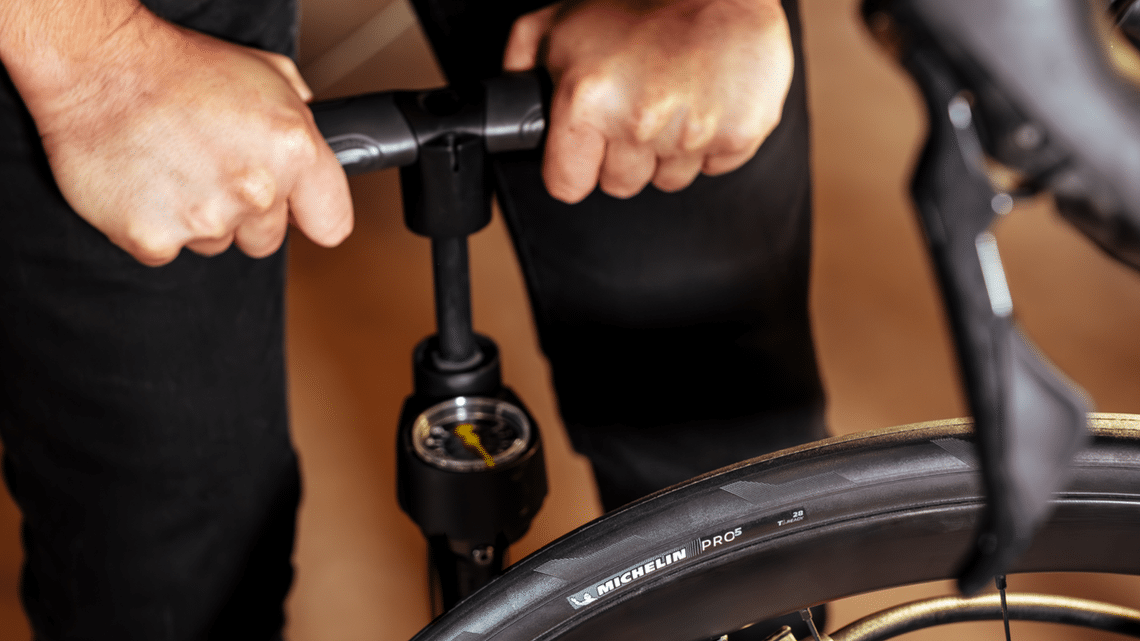
A compact pump with a pressure gauge
Valve adapters for different valve types
A microfibre cloth for cleaning components
Degreaser for drivetrain maintenance
Frame protection tape to prevent cable rub and chain damage
Recommended spare parts
Spare brake pads suitable for your brake system
A derailleur hanger for your frame model
Stainless steel zip ties for emergency fixes
A selection of essential bolts specific to your bicycle
Spare cleat bolts if using clipless pedals
For step-by-step instructions on roadside tyre and tube changes, read our cycle maintenance guides on changing bike inner tubes and fitting tyres.
Choosing the right tyres for your bike touring adventure
As the sole point of contact between your bike and the road, selecting the right bike tyres is essential.
Terrain-specific tyre selection
Your planned route and personal preferences should determine which type of tyre you choose.
First and foremost, your choice of tyres depends on your bike. Different bikes have specific wheel sizes, rim widths, and clearance limits. A road bike with narrow rims and tight clearances requires different tyres than a gravel bike with wider rims and generous frame clearance.
Tread pattern and durability are also important factors to consider. Deeper, more aggressive tread provides grip and control for off-road riding, while slick tyres offer maximum efficiency on smooth roads but can be hazardous off-road. Look for reinforced sidewalls, puncture protection, and wear-resistance for reliability and durability on long trips.
For routes covering significant gravel or trails, the Michelin Power Gravel and the Michelin Power Adventure provide extra protection and durability, with robust capabilities for on and off-road conditions.
For more information, read our article on how to choose the best gravel tyres for your bike.
All-season performance tyres
For tours in variable or wet conditions, the Michelin Power All Season and Michelin StarGrip deliver optimum grip and performance on slippery surfaces.
Tyre performance tips
Tyre pressure significantly affects your ride. Lower pressures are more comfortable but may impact efficiency and puncture risk, while high pressures improve efficiency but can be uncomfortable and less grippy on uneven surfaces.
Check your tyre’s sidewall for the recommended pressure range and choose a pressure within that spectrum that suits your preferences, load weight and terrain.
Pre-trip tyre inspection
Before leaving, thoroughly inspect your tyres for excessive wear or damage:
Check for cuts and cracks in your tyres that could indicate weakness.
Inspect the condition of your rims, especially the rim hook in contact with your tyres (bead zone).
Confirm the appropriate inflation pressures, respecting the minimum inflation pressures according to the cyclist’s weight.
Packing strategies for efficient bikepacking
Effective packing can make all the difference between a gruelling slog and a leisurely ride.
Choosing your storage solutions
Panniers are rectangular bags that mount to racks attached to your bike frame. They offer a large storage volume and straightforward organisation. Panniers are best suited for road tours, as they establish a lower centre of gravity, which enhances stability. However, they add width to your bike, which can affect handling in gusty conditions.
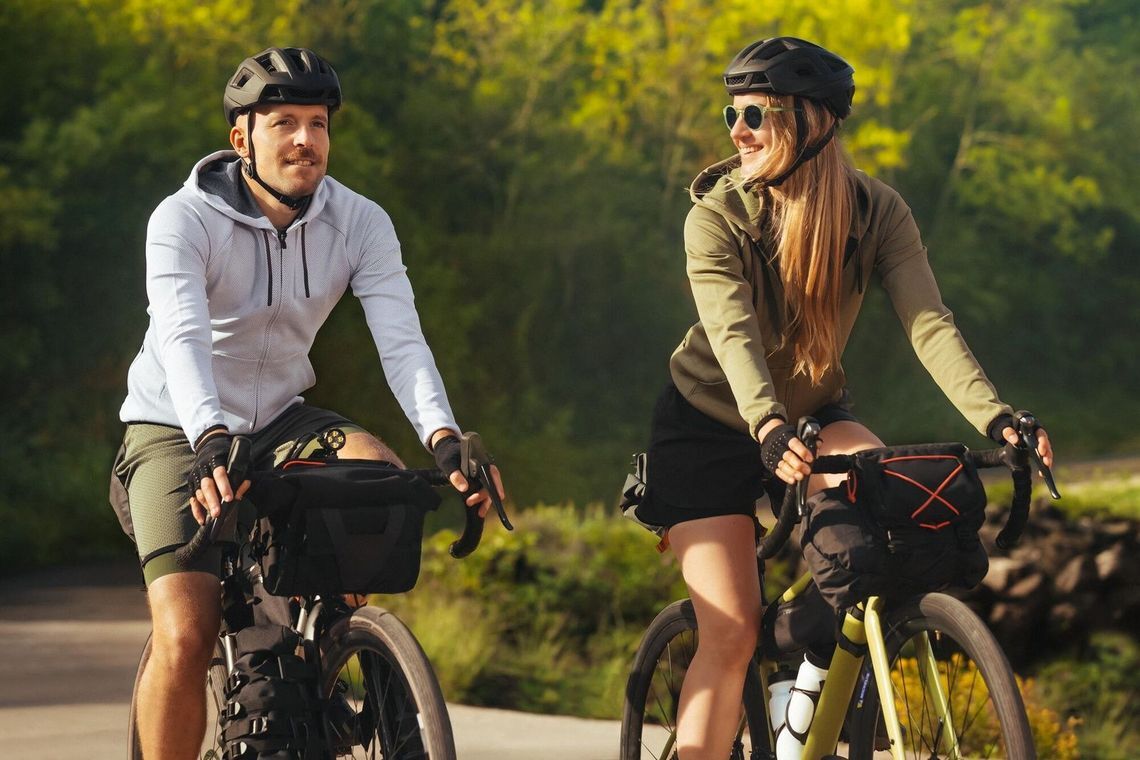
Bikepacking bags are an alternative option, attaching directly to your bicycle frame, handlebars, and seatpost without requiring racks. Their streamlined profile and more evenly distributed weight make them more aerodynamic and easier to manoeuvre through narrow trails. However, bikepacking setups typically offer less storage space than traditional panniers.
Which packing option you choose depends on your journey and preferences. Road-focused tours with greater storage needs might benefit from panniers, while off-road adventures may favour bikepacking bags.
Organising by priority and weight
Efficient organisation can save time and reduce stress. Here are our top tips:
Prioritise items by how often you use them, ensuring your most frequently used equipment is easily accessible. Use deeper storage spaces for items you might need during long breaks or at your destination.
Organise by category, so you know where everything is. Critical supplies, such as repair kits and first aid items, should be stored in easily accessible areas.
Distribute weight low and centred on your bike for stability. Heavy items are best kept at the bottom of panniers closest to the bike’s centre line, while smaller items – like mobile phones and first aid kits – should be easily accessible in handlebar bags or top compartments.
Preparing the itinerary for your bike tour
A carefully planned itinerary is key for a successful cycling trip.
Consider the terrain, available services, and reasonable daily distances on your route. Remember to account for potential setbacks; navigational errors, mechanical issues, and adverse weather conditions can cause delays.
Use ViaMichelin to plan your cycling route. It helps you map the best routes worldwide, considering factors such as road surface quality, elevation, and amenities like bike shops and dining options. It lets you enter multiple break stops along the way, explore scenic detours, and export your route to GPS devices or smartphones for offline navigation.
Ensure that your accommodation stops are within comfortable cycling distance of each other. Book accommodation in advance, especially during peak tourist seasons or in remote areas.
Schedule strategic rest days throughout your journey to recover physically and explore interesting locations – it’s a marathon, not a sprint.
Organise your itinerary and share it with your touring party!
Preparing for different weather conditions
Regardless of your destination, you will need to prepare for unexpected forecasts. These are the key factors to consider:
Pack a range of suitable clothing. Moisture-wicking base layers will help you adapt quickly to changing temperatures during your ride. Investing in quality rain gear, including waterproof jackets, pants, and shoe covers, ensures you won’t be caught cold. Cold-weather accessories, like thermal gloves, neck gaiters, and head coverings, will prepare you for unexpected temperature drops, especially in mountainous regions.
Remember that weather affects performance. Lower tyre pressure in wet conditions can improve grip, while fully inflated tyres perform better in dry conditions. Carrying essential maintenance items, such as chain lube for both wet and dry conditions, can help protect your drivetrain from weather-related wear.
Final checklist before embarking on your cycling trip
Bike checks
Before heading on your cycling adventure, check the following:
Perform a thorough bike inspection (including brakes, gears, chain, tyres, and bolts)
Check that all accessories are properly mounted and secured
Ensure your toolkit contains all necessary repair items
Test all lights are functional and spare batteries are packed
Confirm your navigation devices are loaded with routes and fully charged
Pack weather-appropriate clothes
Verify all reserved accommodation
Check that your identification and insurance documents are packed
Prepare any required medications and a first aid kit
Test ride
Complete a test ride with your fully loaded bike, ensuring:
Comfortable and stable handling with the added weight
All panniers and bags remain secure while riding
All gears and brakes work properly
Adjust your packing if needed and test again until you’re comfortable.
Pre-trip research
Research the following before you travel:
Local cycling regulations and traffic rules for the regions on your route
Seasonal route conditions and potential closures
Cultural expectations and customs
Emergency service contacts along your planned route
Using this checklist ensures you’re confident and fully prepared for all eventualities.
Addressing key questions
Find answers to common questions about your bike tour packing list. Know what to pack, how to stay light, and avoid common mistakes, so you're ready for any road ahead.
FAQ about the bike tour packing list
Essential items for any bike tour include:
A reliable multi-tool with a chain breaker
Spare tubes and tyre levers
A high-quality portable pump
Weatherproof panniers or bikepacks
Versatile clothing layers
A first aid kit
Secure bike locks
Lightweight camping equipment if required
Electronic devices and charging solutions
Choose multifunctional items that serve various purposes. For example, a smartphone that has a camera, navigation, and communication device will require less space than separate devices.
Consider lightweight camping gear and distribute weight evenly between front and rear panniers or bikepacks for stability.
Carefully choose your essentials. Remember, if you have planned your route effectively, you can acquire most items as needed with various stops along the way.
Common bike touring mistakes include:
Overpacking (particularly bulky items)
Bringing unnecessary luxuries
Failing to waterproof crucial gear properly
Many first-time tourers make the mistake of packing too much food rather than planning resupply points, leaving them with little space for adequate tools and appropriate sleeping gear. Pack the essentials first, then choose your luxuries.